
I’m so excited to take part in the Non-Fiction November blog event this year! Running for five weeks from Monday, October 27th to Sunday, November 30th, each week participants will discuss different prompts relating to their non-fiction reading.
Week 4 is hosted by Rebekah at She Seeks Nonfiction.
- Nonfiction books are one of the best tools for seeing the world through someone else’s eyes. They allow us to get an idea of the experiences of people of all different ages, races, genders, abilities, religions, socioeconomic backgrounds, or even just people with different opinions than ours. Is there a book you read this year from a diverse author, or a book that opened your eyes to a perspective that you hadn’t considered? How did it challenge you to think differently?
This weeks prompt is one of the reasons I love non-fiction so much. I adore learning about all kinds of things, and to learn about something through the lens of someone else I have found is one of my favourite ways to do so.
Even though I read predominantly nature books, more specifically focusing on plants, I have discovered an incredible amount of diversity in the subject. One of my favourite modules in my plant science degree is ethnobotany, and this is the study of how different cultures use plants. I have a lot of books that I have read for fun now that I can use in my studies which is pretty exciting.
The prompt only asks for one book, but I have a couple that I want to share.
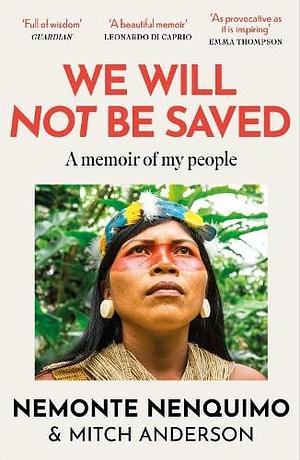
We Will Not Be Saved by Nemonte Nenquimo.
This one isn’t about plants, but plants do form an incredibly important pillar of the Waorani tribe’s way of life. This tribe was one of the ones that Christian missionaries tried to ‘save’, when in reality they wanted to sell the land to oil companies.
While some of my favourite parts of this book was learning about the cultural practices of the tribe, the most important part was actually how it opened my eyes to the atrocities committed by white people onto these tribes, atrocities that they are still fighting against today.
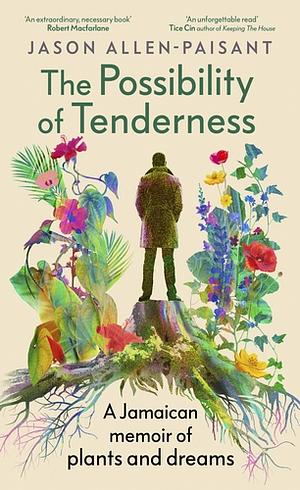
The Possibility of Tenderness by Jason Allen-Paisant.
This book does focus on plants, specifically how plants are integral to the culture and beliefs of the Jamaican people. The author spoke about a relationship with the land and with plants that I have never known of before. It was so intimate and beautiful, a world of dreams and care, and it has really made me want to learn so much more about how other cultures incorporate plants into their lives.
Most of the other non-fiction books I have read this year have been from people that share my own culture (white British), so while I have learned a lot from them, they haven’t necessarily been new perspectives. That is something that I am hoping to change next year with my aim of reading more non-fiction, though keeping up my reading for university will still have to take priority.
If anyone has any recommendations for me on books from cultures other than from the UK that touch on nature and plants then please do let me know!


 Pages of Emma
Leave a reply to Liz Dexter Cancel reply