
Synopsis:
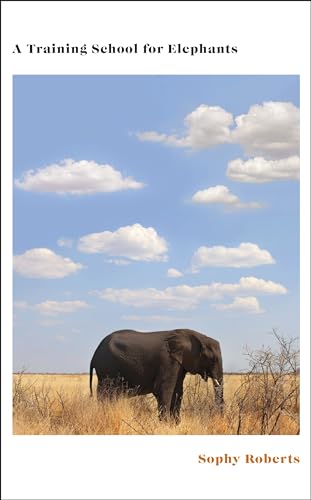
In 1879, King Leopold II of Belgium launched an ambitious plan to plunder Africa’s resources. The key to cracking open the continent, or so he thought, was its elephants—if only he could train them. And so he commissioned the charismatic Irish adventurer Frederick Carter to ship four tamed Asian elephants from India to the East African coast, where they were marched inland towards Congo. The ultimate aim was to establish a training school for African elephants.
Following in the footsteps of the four elephants, Roberts pieces together the story of this long-forgotten expedition, in travels that take her to Belgium, Iraq, India, Tanzania, and Congo. The storytelling brings to life a compelling cast of historic characters and modern voices, from ivory dealers to Catholic nuns, set against rich descriptions of the landscapes travelled. In an original weave of past and present, she digs deep into historic records revealing an extraordinary—and enduring—story of colonial greed, hypocrisy, and folly.

Review:
In 1879, an expedition across Africa involving four Asian elephants and the Irish adventurer Frederick Carter was undertaken. King Leopold II of Belgium wanted what Africa had – resources. Leopold II’s plan was to use the Asian elephants to transport what was needed to set up a ‘school’ in order to train the wilder African elephants to help get the riches out of the country. The resulting journey ultimately paved the way for the brutal colonisation of Africa to come, causing the deaths of millions of African people.
I, perhaps naïvely, thought this book would be about the elephants. While it was that, it was also so much more. Roberts undertakes the same journey in the modern day that these elephants made, comparing her sights to those left in Carters accounts.
The elephants are, of course at the centre of this journey. The poor animals carried loads up to seven times more than was safe for them, trekking over treacherous ground for hours and hours on end. These elephants were used to lives of luxury, and the four of them struggled through the journey, facing disease, exhaustion and death along the way. Roberts writes about them with care, treating their memories far better than those who used them did.
Along with the elephants, we hear the stories of people. Roberts takes time to talk with the locals she meets, uncovering stories from the past and learning of their lives in the present. She weaves these tales in with the accounts of the expedition, seamlessly joining her own travels with Carters. She touches too on modern issues of climate change and deforestation, noticing how much the landscapes described in Carters diaries have changed.
Roberts writing is excellent, never straying outside of the neutral observer. She knows that the story does not belong to her, and that Africa is not hers. Her research is incredibly thorough, and I found it, along with the photographs included, very smart and truthful.
This book is moving, thoughtful and at times very difficult to read. To say I enjoyed it feels wrong, but I found that I couldn’t put it down. The writing was compelling and lively, and I learned a great deal from this book.

 Pages of Emma
Leave a comment