
Hello, happy Friday!
I have pre-written all of my LTB posts for this month already, look at me go!
One day I’ll figure out university + working + all the other things a grown-up human is meant to be doing…
Let’s Talk Bookish is a weekly bookish discussion meme created by Rukky @Eternity Books and co-hosted by Aria @Book Nook Bits and Dini @DiniPandaReads. Each Friday, bloggers will write posts about a particular topic and share on their blog.

Happy Non-Fiction November! Do you read non-fiction? If you do read it, what do you love about it?
Ah, non-fiction, my beloved! If you’ve looked at my blog in the last week or so, you’d have seen me talking a lot about non-fiction books. I am a lifelong learner, and that is why I adore reading non-fiction. There is always something new to learn and discover, or a new perspective to hear.
From a young age, I was leafing through encyclopaedias on plants and animals, and then dutifully looking up fact files about the things that caught my interest in those pages. My birthday and Christmas presents often included little books about whatever thing I enjoyed at the time – I distinctly remember receiving a guide about how to look after rabbits one year, and a travel guide to Italy on another!
Basically, if I can learn it, I want to read about it, and that is something that is still true today, though I am a little more selective about my subjects!
What are your favourite categories to read about (i.e. true crime, historical, memoirs, self-help), and what are some of your favourite non-fiction books?
I am sure you can all answer this for me, but I almost exclusively read in the science and nature writing categories, and even more specifically, about plants and animals. I am not choosy within that, though. I will happily read anything from a memoir about someone discovering their heritage through plants, to a history of the UK through mammals or even someone trekking in Alaska and recounting the nature they find along the way. I love to see the world through other people’s eyes, and learn about their culture and local nature, just as much as I love to learn about the latest research into plant communication.
I’ll give you three guesses for my favourite non-fiction book. Actually, that’s too easy if you’ve been here before…
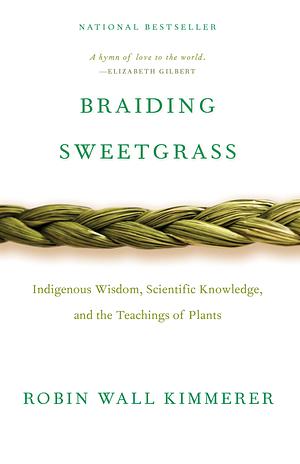
Yes, it’s Braiding Sweetgrass by Robin Wall Kimmerer. Just read it, please. It will genuinely alter your brain chemistry.
Other favourites include (yes they are all planty, bar one):
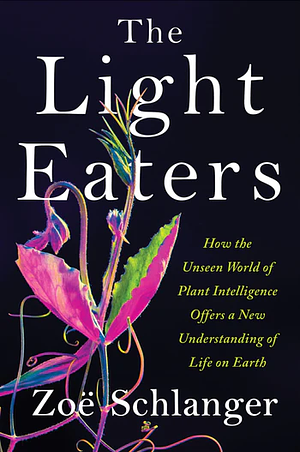
The Light Eaters by Zoë Schlanger. One of my favourite topics, plant communication and intelligence. Zoë is a reporter and this is written so clearly, it’s fab!
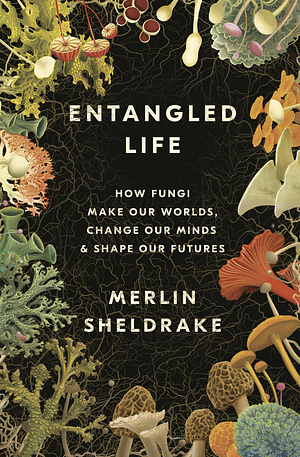
Entangled Life by Merlin Sheldrake. Mushrooms. If you enjoy a mushroom, you have to read this one!
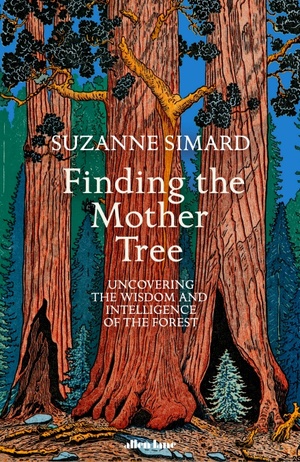
Finding the Mother Tree by Suzanne Simard. Much like Sweetgrass, this is an ode to our connection with nature, specifically looking at trees this time. Another one that’ll shift the mindset.
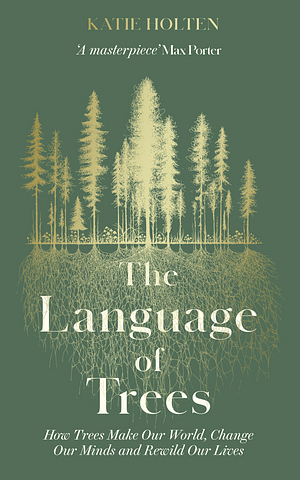
The Language of Trees by Katie Holten. A collection of essays, poems, and even recipes from a huge variety of contributors all about wonderful trees, with Katie’s gorgeous tree alphabet illustrations.
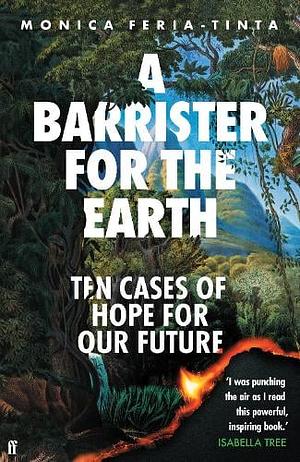
A Barrister for the Earth by Monica Feria-Tinta. A powerful book with a hopeful thread from a barrister who fights for our planet’s rights.
Hedgelands by Christopher Hart. What can I say, I love a hedge…
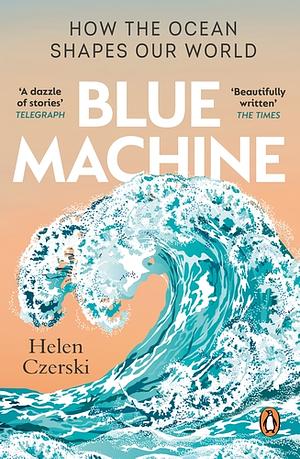
Blue Machine by Helen Czerski. It’s about the ocean and not a plant! Who’d have expected that! I haven’t read much on the oceans, but this one was so good, and super accessibly written.

Do you have any tips for those who want to get into reading more non-fiction?
My number one tip for starting non-fiction is to find a topic that really interests you. It can be niche; there are so many non-fiction books out there! I’ve seen some really interesting looking ones about fabric, the alphabet, cheese, gaming and even church windows!
Once you know what sort of thing you might want to look into, I recommend then searching out some people or publishers that read/publish those sorts of books. Some publishers I love to follow on Instagram are @elliottandthompson, @profile.books, @faberbooks and @cannongatebooks, but there are so many more!
Another thing that might be fun to do, is to check out people’s lists over on Pagebound. You can browse by emoji or word, and there are some super niche lists!
Finally, don’t be afraid to read slowly. Non-fiction doesn’t do pacing; it’s not about getting to the exciting part of the plot. Take a minute to Google that really interesting thing you just read, and reread that chapter because it was so fascinating. Put it down for a few days and pick it up again. And if one book isn’t for you, there are countless more waiting, you just need to find your niche!


 Pages of Emma
Leave a reply to November 2025 Community Posts! – dinipandareads Cancel reply