
Non-Fiction November was dreamt up by the Federation of Children’s Book Groups here in the UK, but these days it is all over the internet and championed by people of all ages. The idea is to focus on reading non-fiction books over the course of the month to learn new things and explore different perspectives.
It’s no secret that I love non-fiction books, particularly those about nature in some way, so I wanted to share some of my top picks for nature books. This list is definitely not exhaustive; there are SO many more I have on my shelf and digital TBR. And yes, you all know what book number one is going to be!
The book images will link to their Storygraph pages, but I’ll also pop excerpts from the blurbs below.
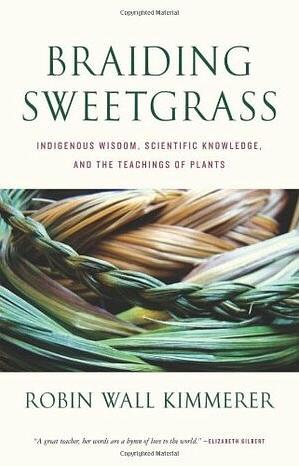
- Braiding Sweetgrass by Robin Wall Kimmerer. “…the awakening of a wider ecological consciousness requires the acknowledgment and celebration of our reciprocal relationship with the rest of the living world. For only when we can hear the languages of other beings will we be capable of understanding the generosity of the earth, and learn to give our own gifts in return.”
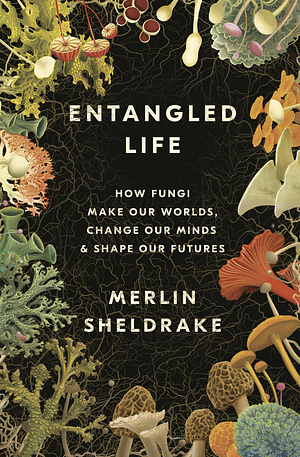
- Entangled Life by Merlin Sheldrake. “Fungi throw our concepts of individuality and even intelligence into question. They are metabolic masters, earth makers, and key players in most of life’s processes. They can change our minds, heal our bodies, and even help us remediate environmental disaster. By examining fungi on their own terms, Sheldrake reveals how these extraordinary organisms—and our relationships with them—are changing our understanding of how life works.”
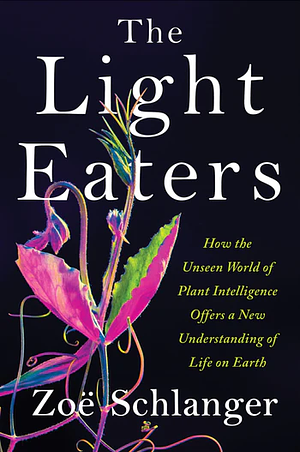
- The Light Eaters by Zoë Schlanger. “We need plants to survive. But what do they need us for–if at all? An eye-opening and informative look at the ecosystem we live in, this book challenges us to rethink the role of plants–and our own place–in the natural world.”
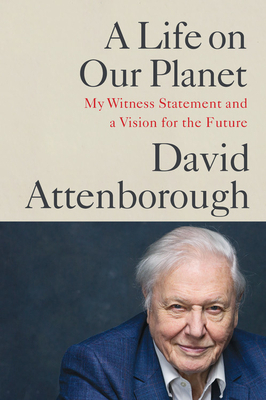
- A Life on Our Planet by David Attenborough. “I have been witness to this decline. A Life on Our Planet is my witness statement, and my vision for the future. It is the story of how we came to make this, our greatest mistake — and how, if we act now, we can yet put it right. We have one final chance to create the perfect home for ourselves and restore the wonderful world we inherited. All we need is the will to do so.”
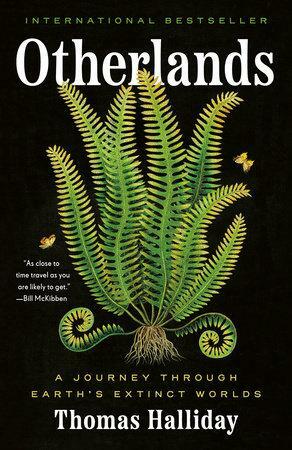
- Otherlands: A Journey Through Extinct Worlds by Thomas Halliday. “…a surprisingly emotional narrative about the persistence of life, the fragility of seemingly permanent ecosystems, and the scope of deep time, all of which have something to tell us about our current crisis.”
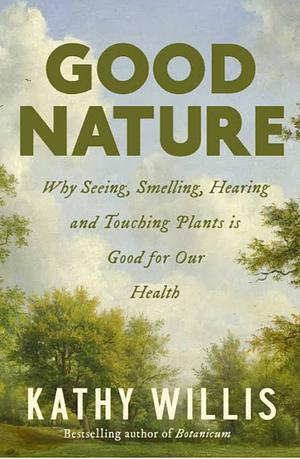
- Good Nature by Kathy Willis. “We all take for granted the idea that being in nature makes us feel better. But if you were a skeptical scientist—or indeed any kind of skeptic—who wanted hard scientific evidence for this idea, where would you look? And how would that evidence be gathered?”
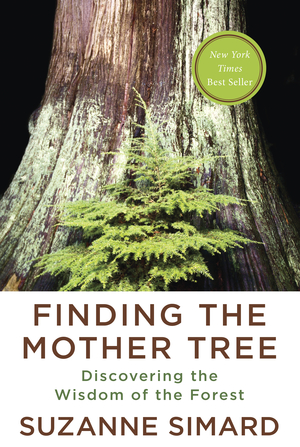
- Finding the Mother Tree: Discovering the Wisdom of the Forest by Suzanne Simard. “…brilliantly illuminates the fascinating and vital truths – that trees are not simply the source of timber or pulp, but are a complicated, interdependent circle of life; that forests are social, cooperative creatures connected through underground networks by which trees communicate their vitality and vulnerabilities with communal lives not that different from our own.”
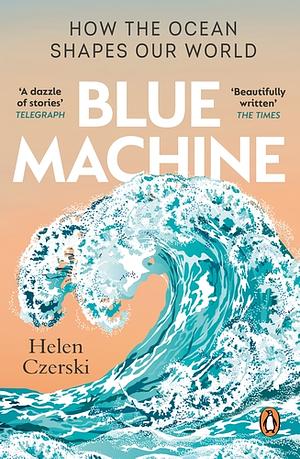
- Blue Machine: How the Ocean Shapes Our World by Helen Czerski. “Earth is home to a huge story that is rarely told – that of our ocean. Not the fish or the dolphins, but the massive ocean engine itself- what it does, why it works, and the many ways it has influenced animals, weather and human history & culture.”
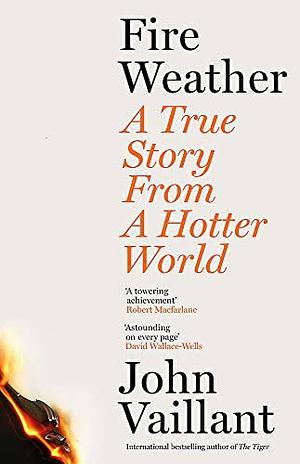
- Fire Weather: A True Story from a Hotter World by John Vaillant. “…delves into the intertwined histories of the oil industry and climate science, the unprecedented devastation wrought by modern wildfires, and the lives forever changed by these disasters. Fire Weather is urgent reading for our new century of fire.”
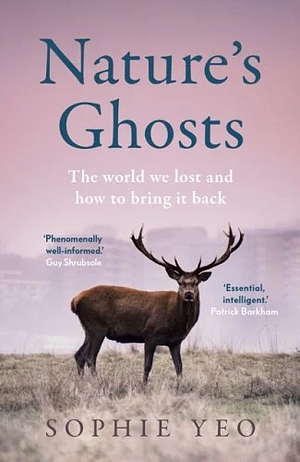
- Nature’s Ghosts by Sophie Yeo. “Today, the natural world is more vulnerable than ever; the footprints of humanity heavier than they have ever been. But, as this urgent book argues, from the ghosts of the past, we may learn how to build a more wild and ancient future.”
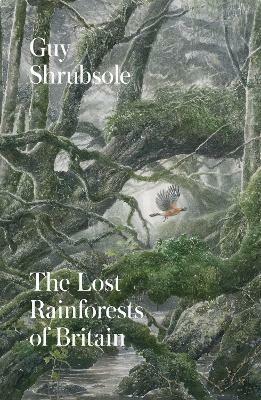
- The Lost Rainforests of Britain by Guy Shrubsole. “Temperate rainforest may once have covered up to one-fifth of Britain, inspiring Celtic druids, Welsh wizards, Romantic poets, and Arthur Conan Doyle’s most loved creations… This is the extraordinary tale of one person’s quest to find Britain’s lost rainforests – and bring them back.”
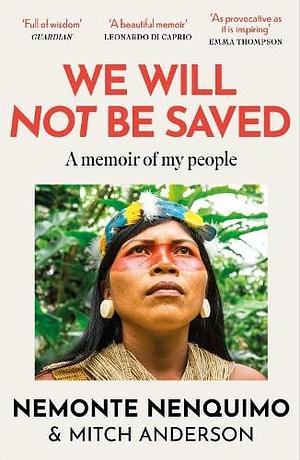
- We Will Not Be Saved by Nemonte Nenquimo. “In this astonishing memoir, she partners with her husband Mitch Anderson, founder of Amazon Frontlines, digging into generations of oral history, uprooting centuries of conquest, hacking away at racist notions of Indigenous peoples, and ultimately revealing a life story as rich, harsh and vital as the Amazon rainforest herself.”
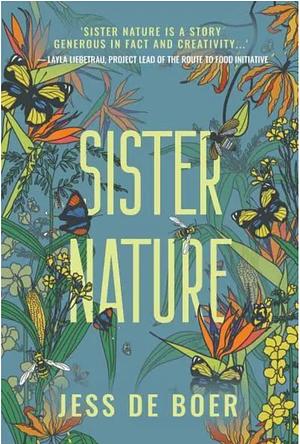


- Sister Nature by Jess De Boer. “This is a journey into restorative action. Confronting the challenges of our stagnant education systems, unsustainable food production techniques and the growing disconnect of our youth, de Boer merges fact and science with hard-won wisdom in this inspiring and accessible tale of proactivity and hope.”
- Nature Needs You by Hannah Bourne-Taylor. “…a clarion call to save the nature on our doorsteps and to prove that passion can be a superpower in bringing change to nature-depleted Britain.”
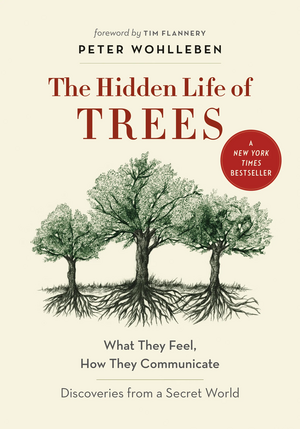
- The Hidden Life of Trees: What They Feel, How They Communicate by Peter Wohlleben. “…shares his deep love of woods and forests and explains the amazing processes of life, death, and regeneration he has observed in the woodland and the amazing scientific processes behind the wonders of which we are blissfully unaware.”
- To Have or To Hold: Nature’s Hidden Relationships by Sophie Pavelle. “What can nature teach us about living together? Investigating eight symbiotic relationships trying to survive the climate and biodiversity crises, Sophie Pavelle explains why it has never been more vital for us to understand symbiosis. Symbiotic relationships regulate ecosystems, strengthen resilience and bind pivotal connections.”
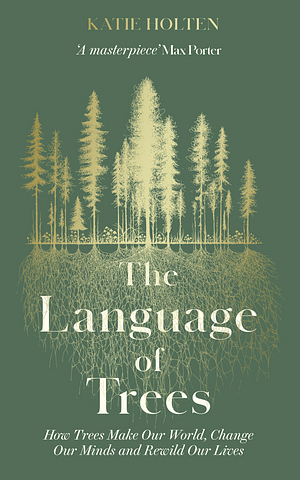
- The Language of Trees by Katie Holten. “A stunning international collaboration that reveals how trees make our world, change our minds and rewild our lives – from root to branch to seed.”
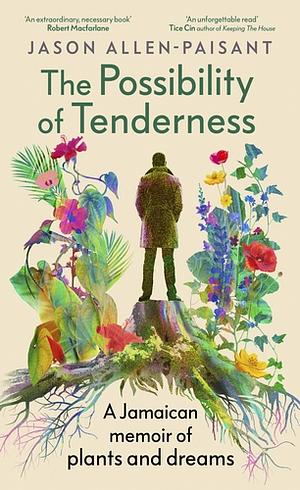
- The Possibility of Tenderness by Jason Allen-Paisant. “…a cross-pollinating book about the transformative power of plants, the legacy of dreams, and the lessons they offer for living with the earth.”
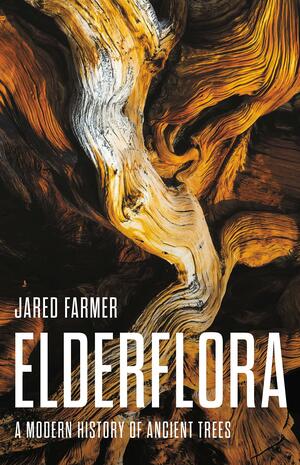
- Elderflora by Jared Farmer. “Taking us from Lebanon to New Zealand to California, Farmer surveys the complex history of the world’s oldest trees, including voices of Indigenous peoples, religious figures, and contemporary scientists who study elderflora in crisis.”
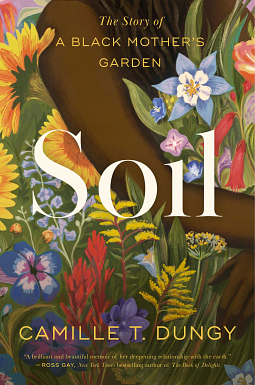
- Soil: The Story of a Black Mother’s Garden by Camille T. Dungy. “Definitive and singular, Soil functions at the nexus of nature writing, environmental justice, and prose to encourage you to recognise the relationship between the peoples of the African diaspora and the land on which they live, and to understand that wherever soil rests beneath their feet is home.”
Keep an eye out for more Non-Fiction November posts from me over the next month, as I will be joining the blog event hosted over on spiritblog!
YOU TELL ME: Will you be taking part in Non-Fiction November?


 Pages of Emma
Leave a comment