
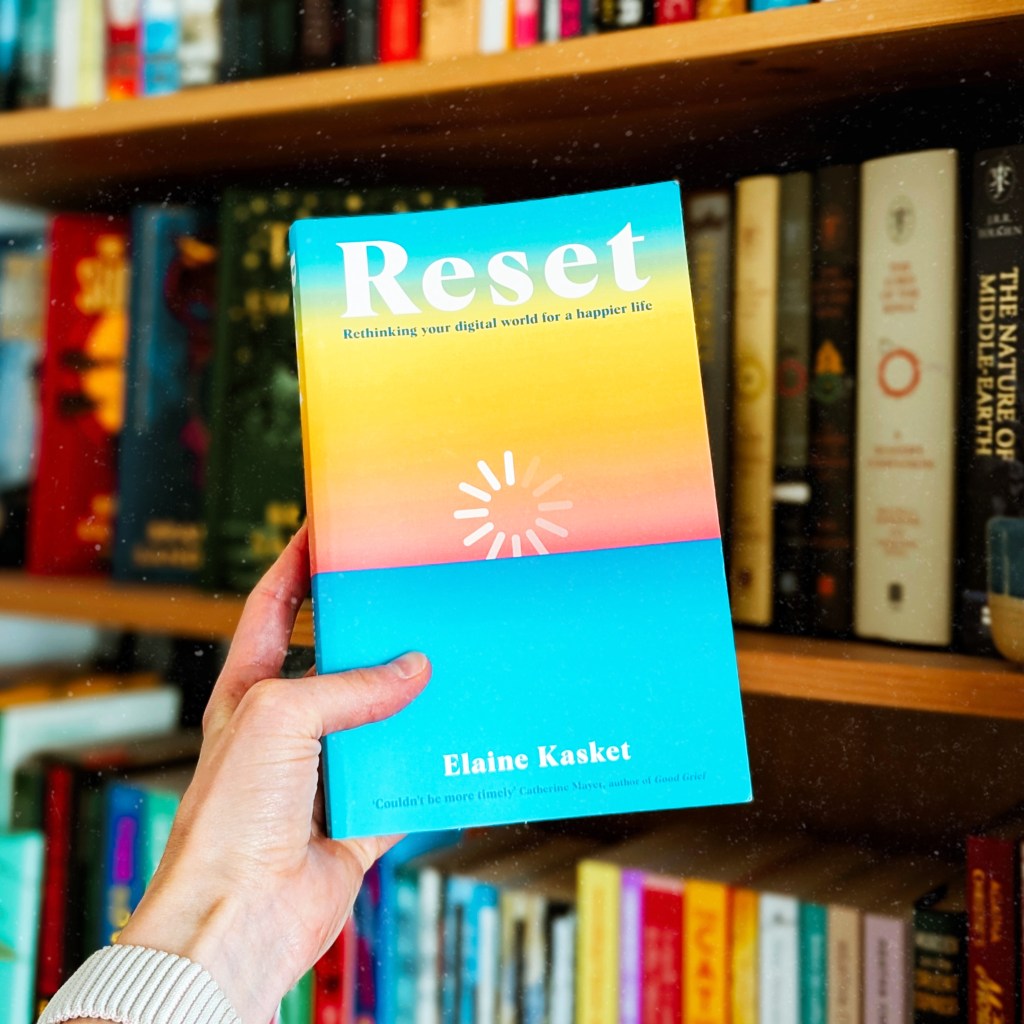
Synopsis:
Technology affects every interaction, shapes our identities and constantly hijacks our attention. So how can we reclaim our power and feel less helpless at every stage of our lives? In a world full of algorithms, addictive apps and data-driven adverts, it often feels as if the digital environment is determining our behaviour. We trace our steps, track our kids and share our lives online, without really knowing whether this technology is serving our best interests – or those of the people we love.
We speak as though technology is a powerful, unstoppable force and we are the victims. ‘What is this technology doing to us?’ we ask. But are we as helpless as we assume?
In Reset , leading psychotherapist and cyberpsychologist Elaine Kasket offers a novel approach to understanding technology’s role at every stage of our lives. Journeying from digital gestation to the digital afterlife, through infancy, adolescence and adulthood, Kasket connects the dots between our technology usage and the challenges it poses to our identity and development, and to our relationships and privacy.
Via discussions of ‘sharenting’, surveillance and social media, Kasket reveals how we consistently underestimate our power to shape our relationships with and through technology. She invites us to question the auto-pilot approach that many of us adopt and instead move forward in a more deliberate, mindful and empowered way.
Come away curious about why you use technology the way you do, clear about how those choices are really working out and with the tools to reclaim your life in a tech-obsessed world.
Review:
Reset by Elaine Kasket was a thoroughly eye-opening read, even as a person who is (in my own opinion) very aware of how online they are and tries to be careful about how much time they spend logged on.
Through the book we live a human life, from gestation all the way to death. This life is looked at through a digital lens: how is technology affecting us as we grow? Has something a parent shared about their child changed how the child views themselves? What about when we are gone, what happens to all our digital info then? These are things I can’t say I have ever thought about before, but while reading this book I found myself discussing all of it with family and friends.
As a millennial, social media and tech weren’t things I grew up with so I lived my childhood and early teen years offline and as a result I think my relationship with technology is fairly healthy. I know that social media can be addicting, I know that tech companies build their apps and devices in ways that make us want to use them more and more. Yet I do sometimes let myself get sucked in, and I think that is okay.
This sort of balance is something that Kasket speaks about often in this book. Technology can be a positive thing and also a negative thing, and it’s down to how we as consumers approach it. We’ve all seen the headlines warning us about technology and teenagers’ mental health, and I am sure we have all experienced the frustration of trying to have a conversation with someone whose attention is being pulled to their phone. Yet on the flipside, technology was a lifeline for many during the pandemic, and I myself have made some lifelong friends thanks to the internet.
I really do think that anyone who loves tech, worries about tech or even hates tech should read this book. It isn’t going to tell you what to do or how to add or remove tech from your life. What it will do is teach you to question how you want to use tech within your own life to support your own values.
Thank you @elliottandthompson for sending a copy my way!


 Pages of Emma
Leave a comment